
Reactionary Design: The Art of Rapid Concept Execution
In 2005, I started my professional career in advertising production design. UX wasn’t even a thought, and design buzzwords like Design Thinking, Human-Centered Design (HCD), Prototyping, and Scalable Design Systems were far from anything I expected to encounter.
Fresh out of college, I had a solid grasp of Photoshop and Illustrator, envisioning myself as the next breakthrough designer like David Carson. But I had no experience in the retail world or agency design practices. That lack of experience quickly became evident when I stepped into an agency environment that, by today’s standards, would be considered toxic.
I remember the agency owner hovering over my shoulder, frustrated that there were too many blue lines on my screen. Exasperated, I turned around and explained they were guides—but that didn’t stop the yelling. I was told I was not good enough, I was too slow and needed to work faster.
2005 was a tough year. I started doubting whether I could make it as a designer. I had been trained as a fine artist, drawn to illustration since I could pick up a pencil, with dreams of becoming a comic book artist. But walking into that agency every day felt like it was breaking me down little by little.
During this difficult time, I found an ally. A seasoned web designer and 3D animator took me under his wing and told me, “I will make you a design machine.” And he did. Within six months, I became a machine that rapidly produced designs. Under his mentorship, I learned how to be reactionary—able to quickly execute concepts and adapt to fast-paced creative demands.
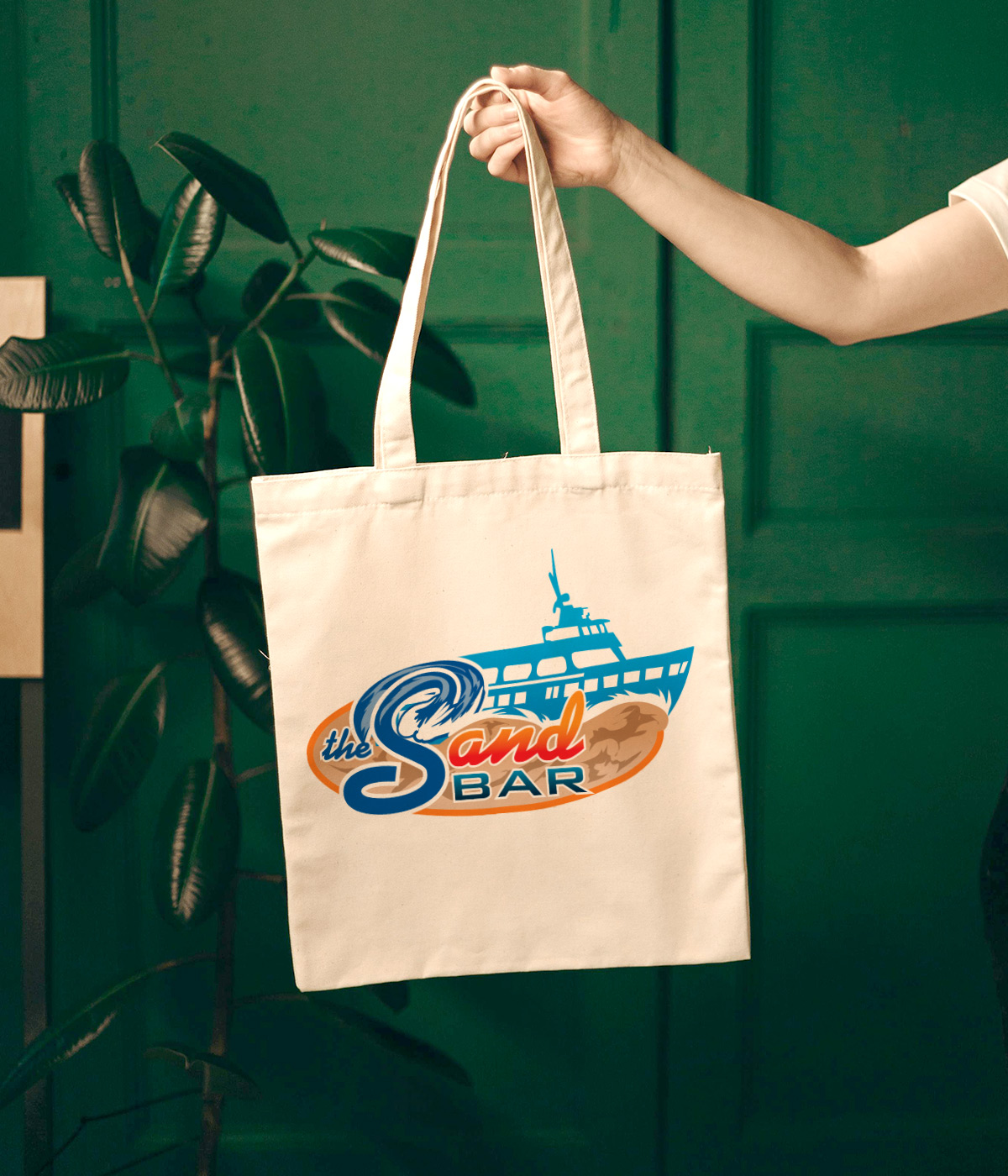
Sand Bar Logo Design – One of my first freelance logo projects, completed under a tight three-day deadline. The concept was designed for a beach bag brand catering to travelers on Fire Island, NY, capturing the essence of coastal adventure and relaxation.
“I will make you a design machine”
Michael Baumis ,
UX/UI Design Manager
and Mentor
What is Reactionary Design?
Reactionary design is the ability to quickly generate high-quality visual solutions under tight deadlines. Unlike strategic, research-heavy design approaches, reactionary design is about instinct, speed, and adaptability. This methodology thrives in fast-paced environments, where immediate creative execution is critical.
Key Aspects of Reactionary Design:
- Rapid Concept Execution: Quick turnaround on multiple design variations.
- Iterative Design Thinking: Adjusting based on real-time feedback.
- High-Pressure Adaptability: Navigating shifting client demands and tight deadlines.
- Efficiency Over Perfection: Prioritizing production speed without sacrificing quality.
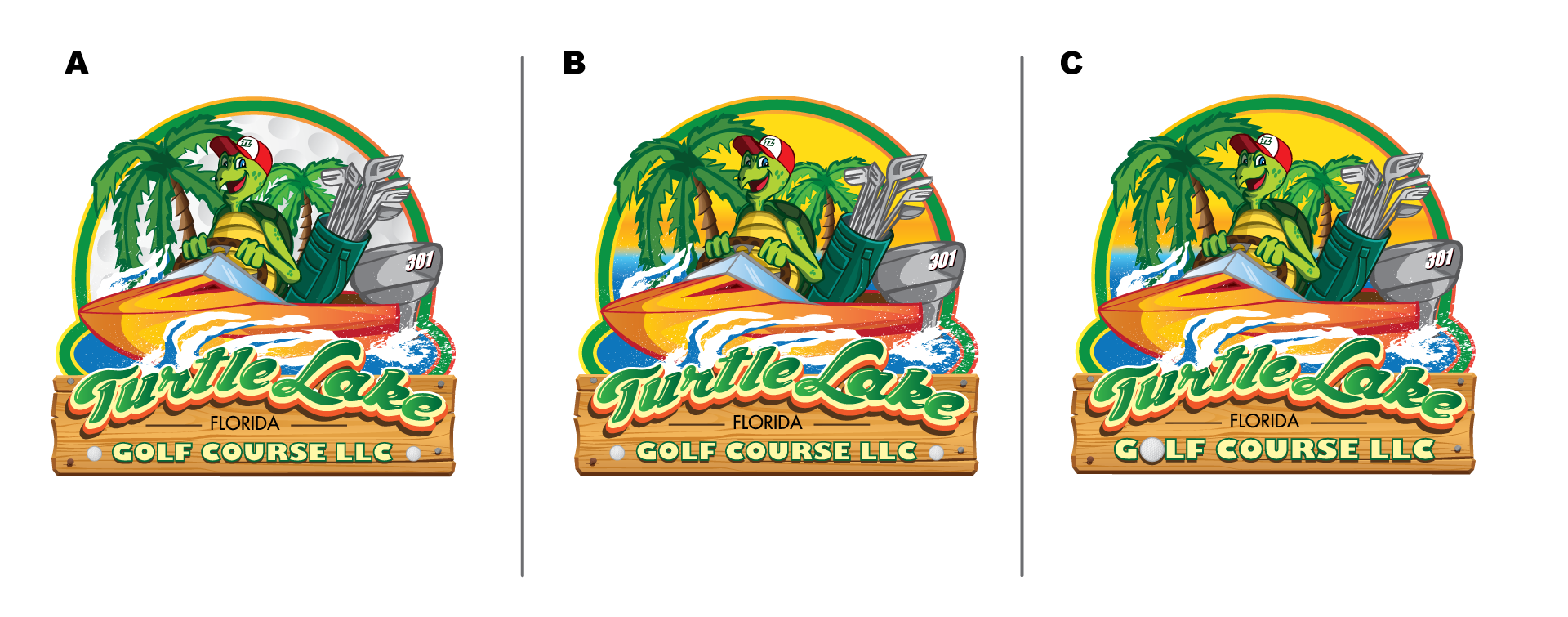
Turtle Lake Golf Course Logos – Given a tight five-day deadline, I was able to bring the client’s vision to life in just two days, delivering a design that met their expectations with speed and precision.
The Benefits of a Reactionary Designer
While UX, Product Design, and Strategic Thinking emphasize research and planning, the ability to react quickly and execute efficiently remains invaluable. Here’s why reactionary design skills are still relevant today:
1. Agility in Product Design
-
- Speeds up design iterations in Agile and Lean workflows.
- Helps teams pivot quickly when user feedback or business needs shift.
2. Enhancing UX/UI Efficiency
-
- Enables fast prototyping and real-time iteration during user testing.
- Supports rapid design adjustments in high-stakes projects.
3. Strategic Thinking Through Speed
-
- Allows designers to validate ideas quickly before committing to full-scale research.
- Bridges the gap between ideation and execution, ensuring momentum isn’t lost.
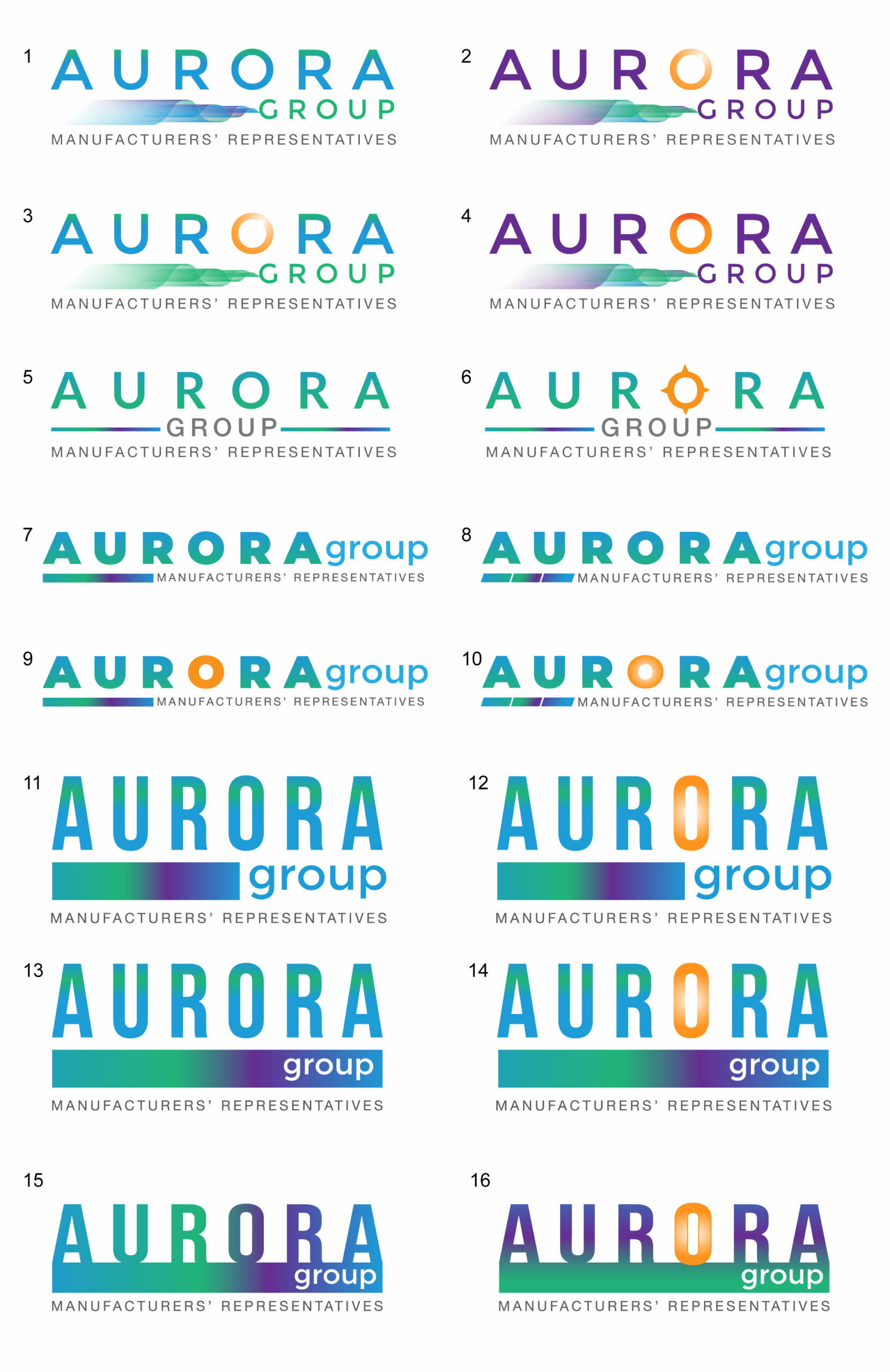
Aurora Logo Sheet – When designing logos for clients, I tend to explore more concepts than necessary. If I’m deeply invested in a particular idea, I can create over 20 variations. However, I typically aim to refine and narrow my selections down to 10 strong concepts before presenting them.
Reactionary Design Projects
Throughout my design career, I have operated more as a reactionary designer than a strategic one—and I see that as a strength. Time and again, I have delivered successful campaigns under intense deadlines, earning appreciation from clients, colleagues, and stakeholders alike. My ability to produce high-fidelity work at speed has been tested repeatedly, and each time, I have proven that tight timelines push me to perform at my best. Below are some examples of this approach in action.
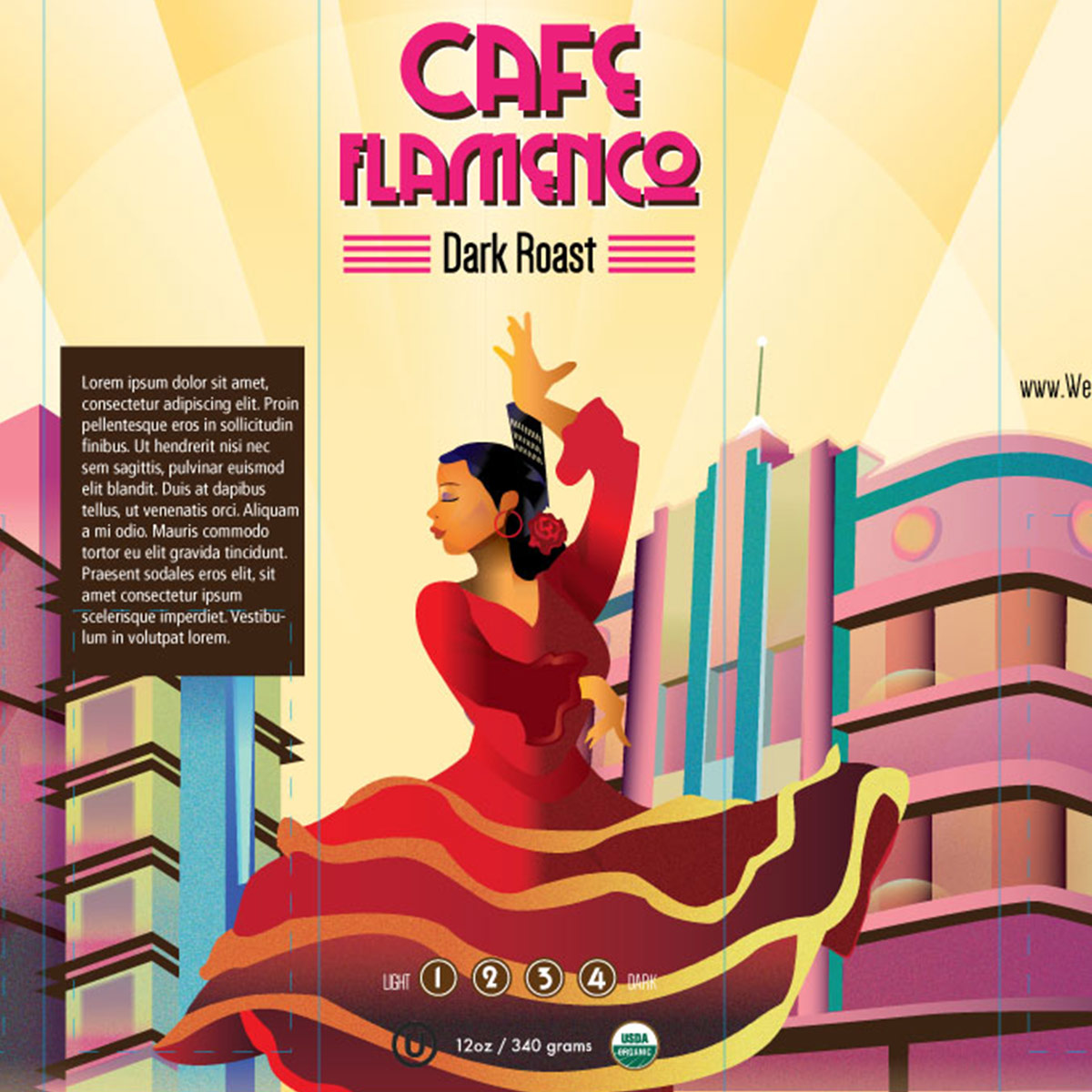
Package Design
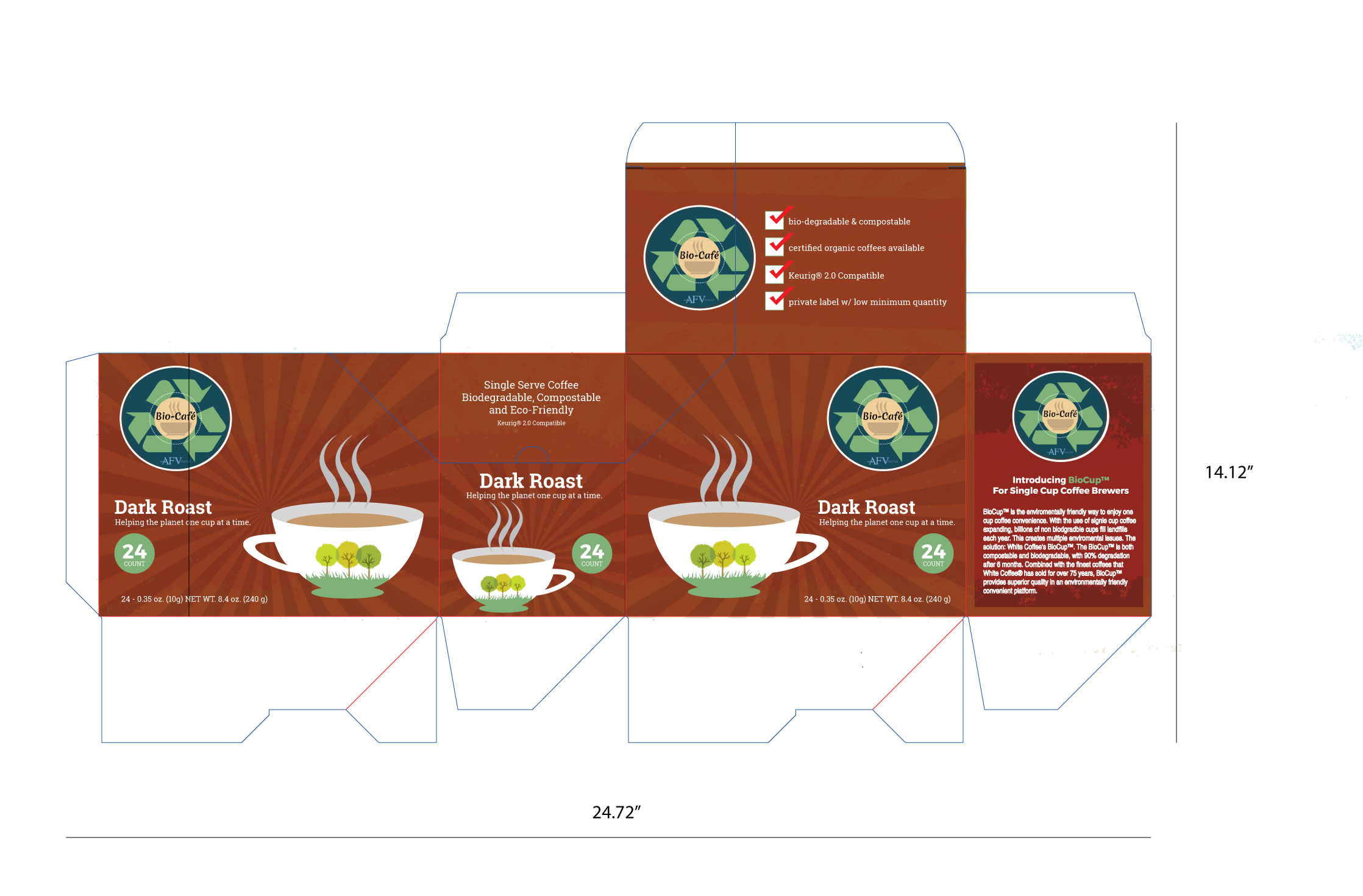
In 2016, I worked on several packaging designs for the coffee market, including Café Flamenco. The company that hired me operated under extremely tight deadlines, often requiring concepts for new products in less than four days. Despite the fast turnaround, this project stood out as one of my favorites. It gave me the opportunity to not only push my design skills but also incorporate illustration—allowing me to create something truly unique while working under pressure.
AMA Multimedia Design
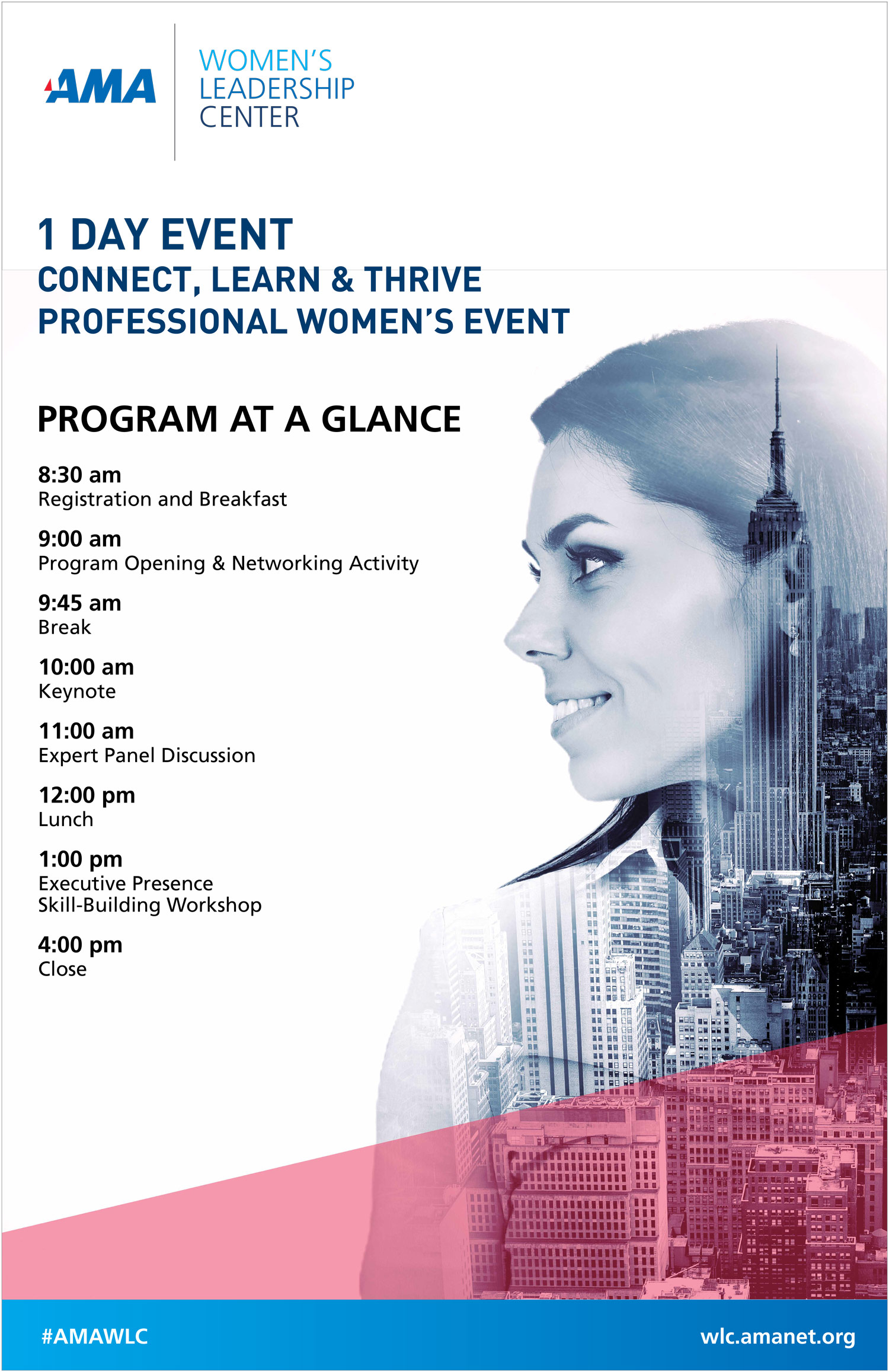
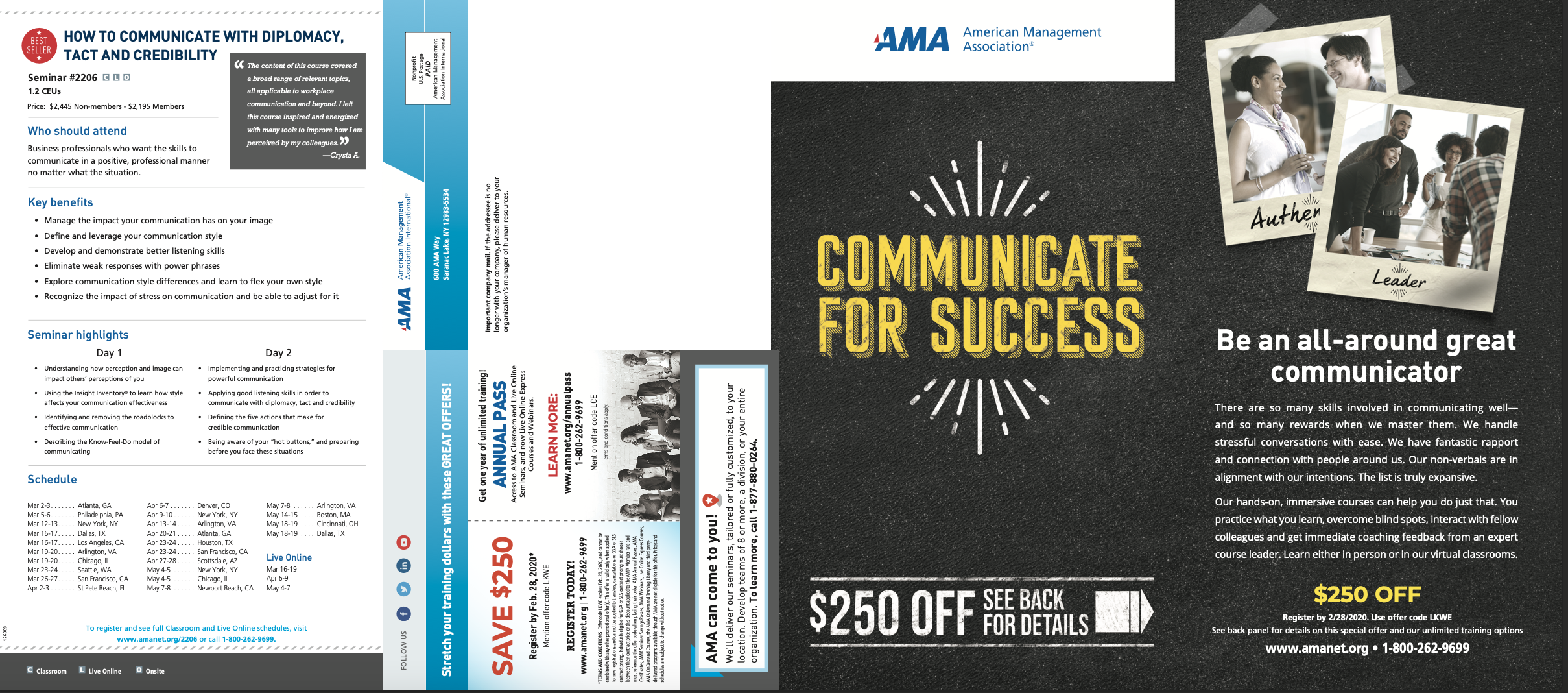
Working at AMA, my small design team and I were constantly challenged by the diverse range of design media we had to produce each week. With little downtime for deep research, most of our work was highly reactive—though we gathered insights when possible. Often, marketing reps would present a campaign vision, and we had to bring it to life quickly. Here are some successful social media banners and event posters that emerged from this fast-paced environment.


Westgate Resorts
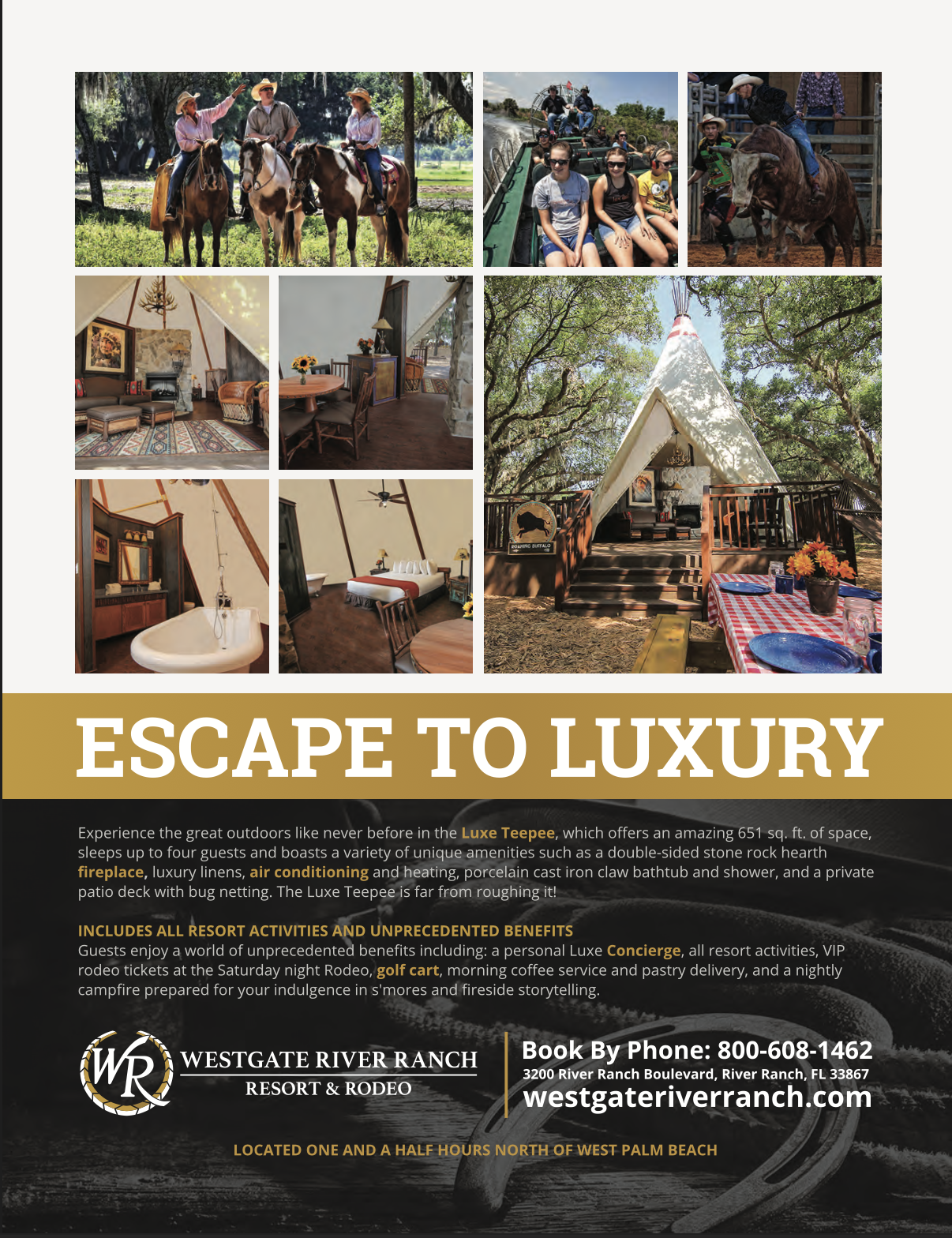
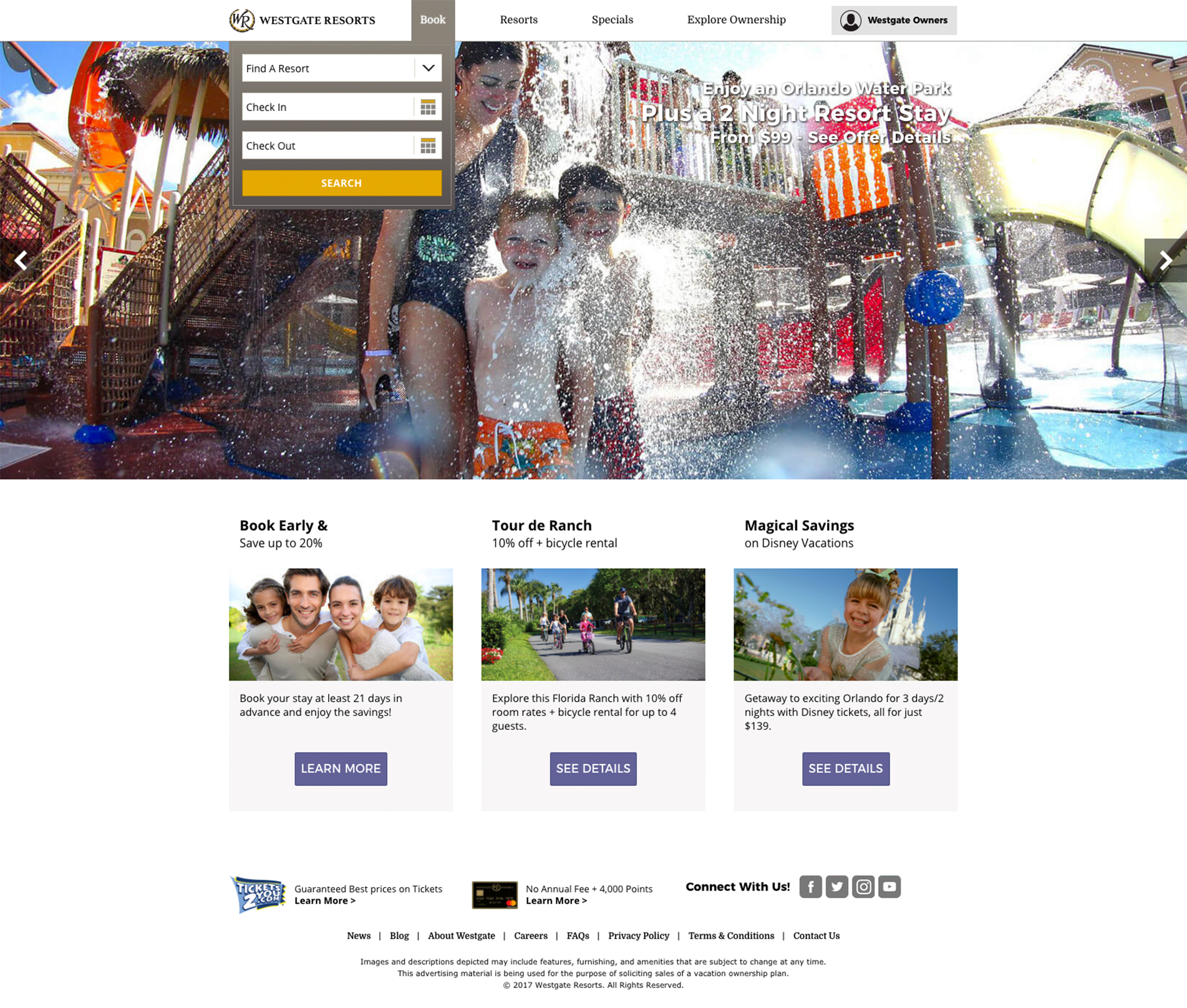
My experience in the hospitality industry was instrumental in shaping my design approach and ultimately led me to co-create WAIDT with my partners. While working at Westgate Resorts, I collaborated closely with stakeholders, gaining valuable insight into user experience (UX) principles. During my time there, I contributed to a range of digital campaigns and sell sheet designs, ensuring brand consistency across multiple properties and locations. This role played a key part in expanding my skills and understanding of the intersection between design, marketing, and user engagement.
Beauty and Fragrance
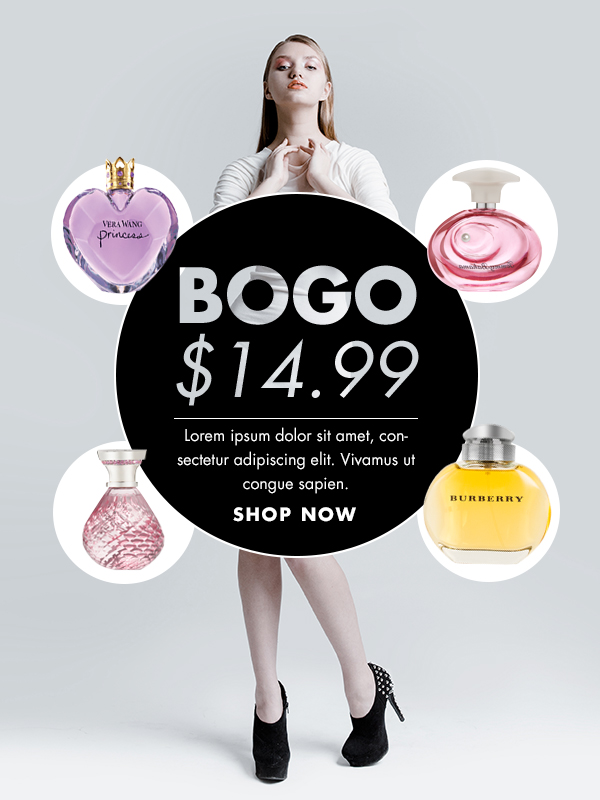
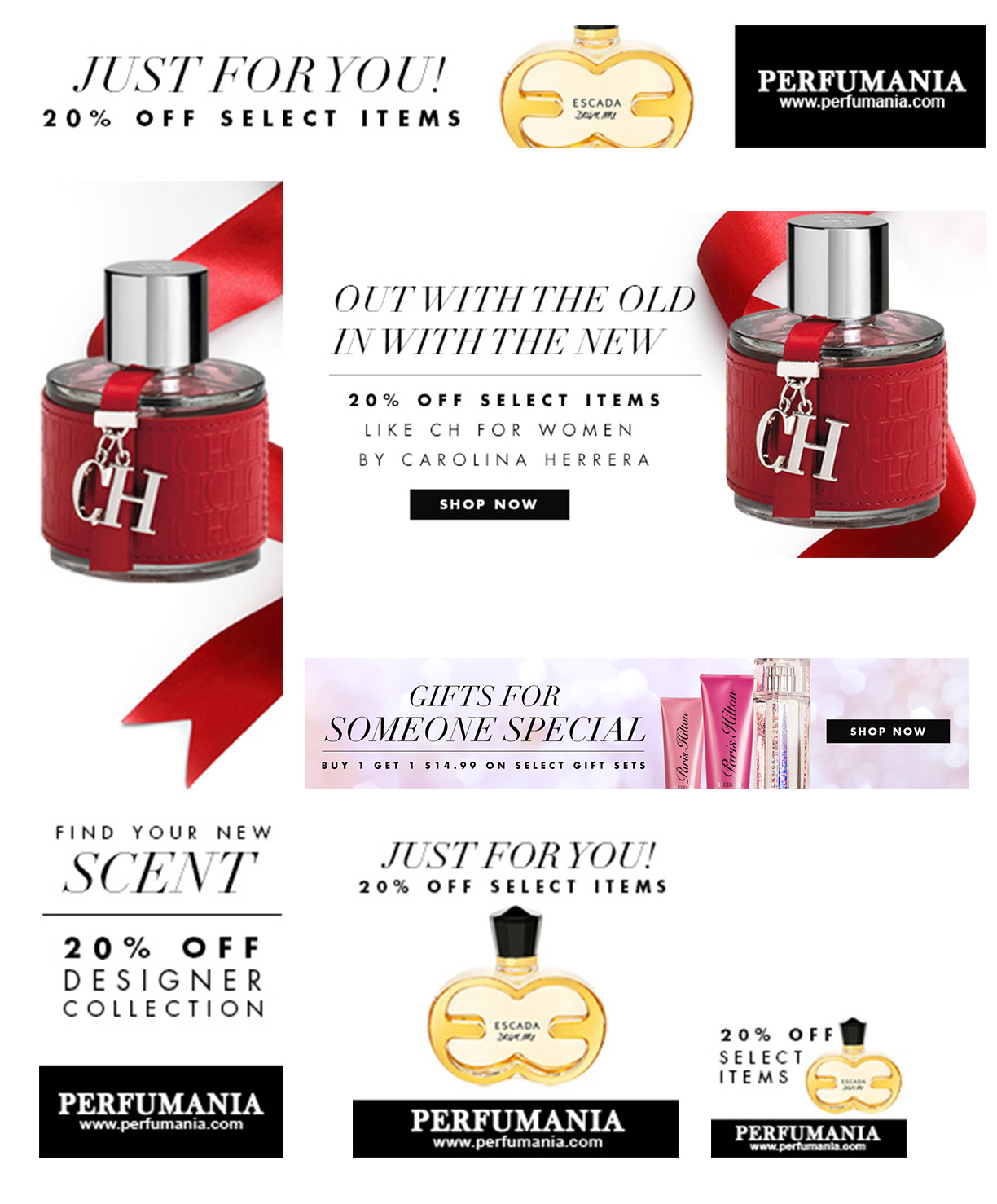
My time in the beauty and fragrance industry was defined by fast-paced, reactionary design work, primarily focused on email marketing campaigns and banner designs for in-house marketing teams. At Perfumania, I collaborated closely with the main design team to ensure that our digital assets aligned seamlessly with in-store campaigns, maintaining brand consistency across both e-commerce and brick-and-mortar experiences. The workload was demanding, with tight deadlines for daily e-blasts promoting various campaigns and loyalty programs.
Beyond Perfumania, I also worked with Temptu and their airbrush makeup products, widely used in the modeling industry. This role deepened my understanding of luxury branding and how high-end products should be presented in an e-commerce sales environment. My design approach evolved to become more product-focused and minimalist, adapting to different brand aesthetics. In my first year at Perfumania, my team and I helped drive an increase of over $50,000 in revenue compared to the previous year, with continued growth that neared $1 million annually.


Conclusion
My journey into reactionary design was born out of necessity, forged in high-pressure environments where speed was everything. While the industry has evolved to embrace more strategic and research-driven design, the ability to execute quickly, adapt under pressure, and deliver results remains a valuable skill in today’s fast-moving design landscape.
Whether in UX, product design, or branding, a reactionary designer brings efficiency, agility, and a results-driven mindset—essential traits in an industry where speed and innovation go hand in hand.