
This concept is based on my experience working with users on high-security defense and intelligence applications. Defender EVO Dossier is not a real or functioning application. The following information takes a futurist approach, presenting a narrative-driven exploration of advancements in the defense and intelligence sector.
Defender EVO Dossier: A Case Study
Defender EVO Dossier is a secure and efficient event and profiling feature designed to ingest and analyze multiple data sources within a Common Operating Picture (COP). The system consolidates data from PPT files, ISR footage, previously published intelligence reports, and various open-source channels while integrating a live CMS that tracks flights, ships, and land vehicles. Defender EVO Dossier enhances decision-making by providing real-time situational awareness. This case study explores the design process behind the responsive desktop and mobile application, focusing on usability, security, and user experience without the use of live user testing.
Problem Statement
Operational teams working within a COP environment often struggle with securely managing and analyzing a vast influx of real-time and historical data. Existing solutions either lack robust integration capabilities, real-time tracking, or efficient data visualization. Defender EVO Dossier was designed to address these gaps by offering a user-friendly, highly secure data ingestion and management system tailored to analytical, operational, and executive roles.
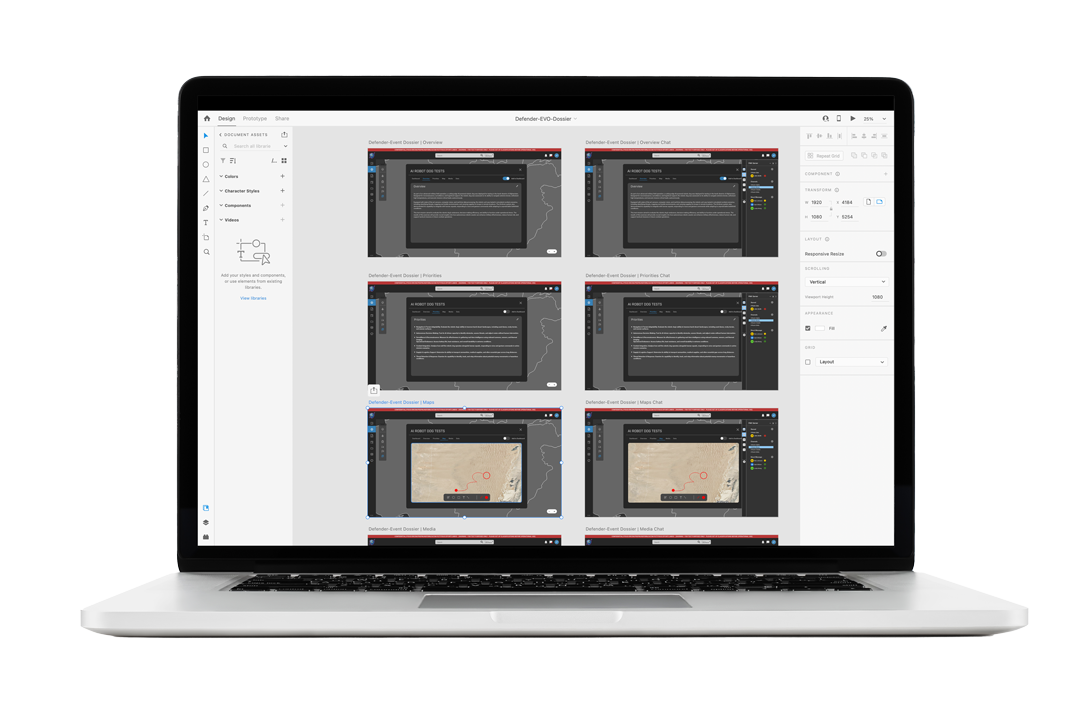
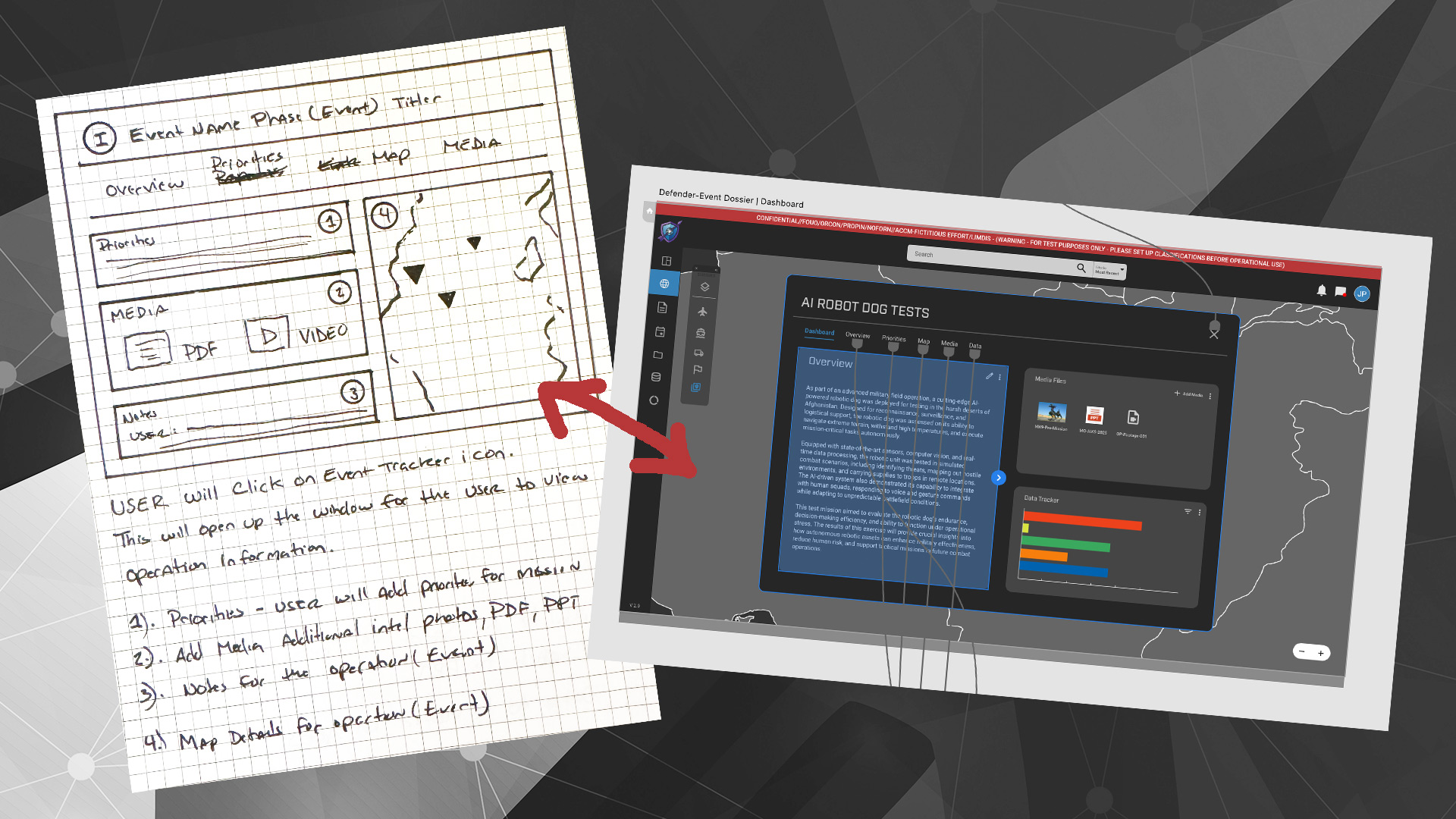
Image to the right are the main screens that the event dossier will focus on. Prototype created in Adobe XD.
User Personas
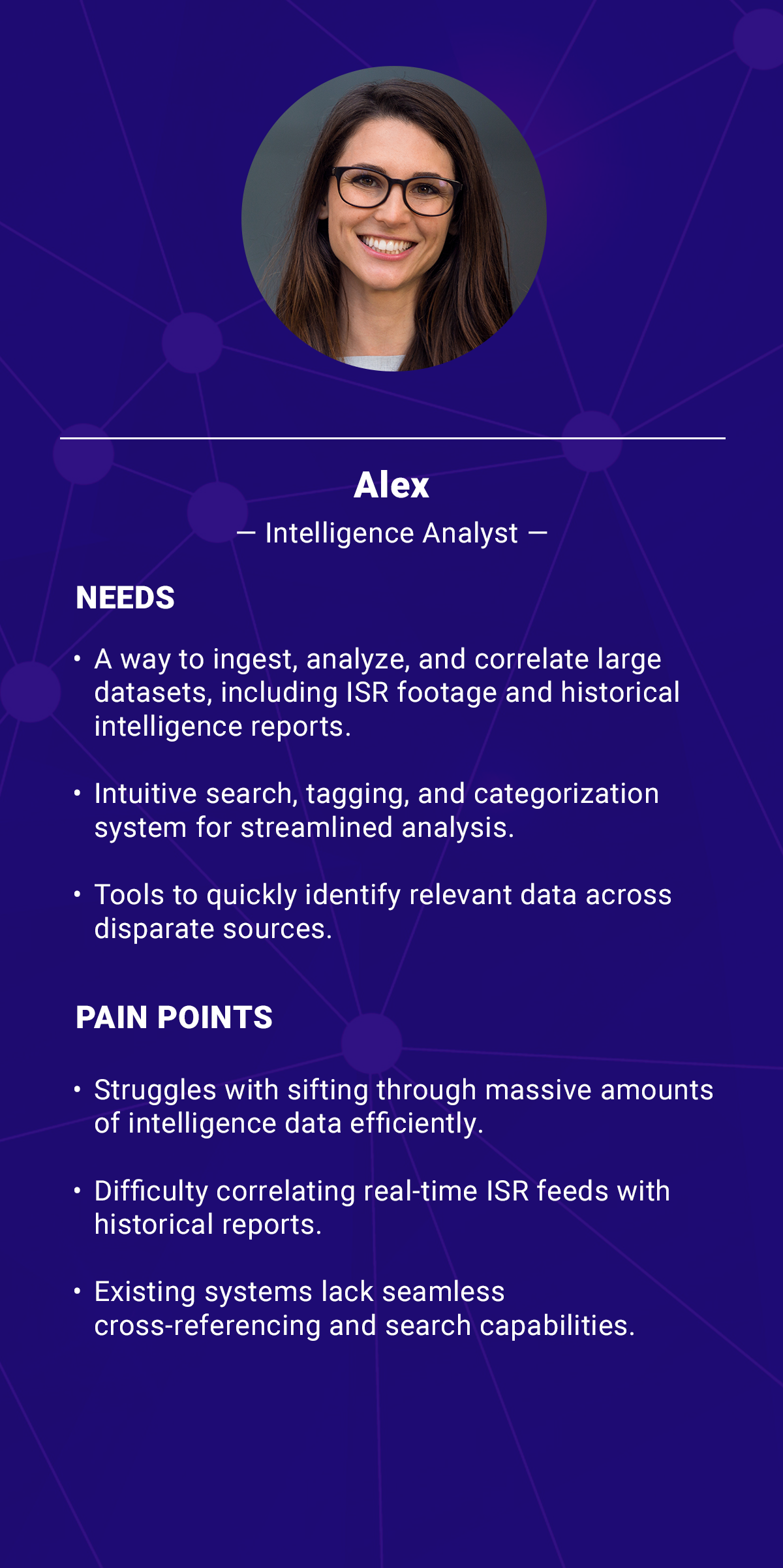
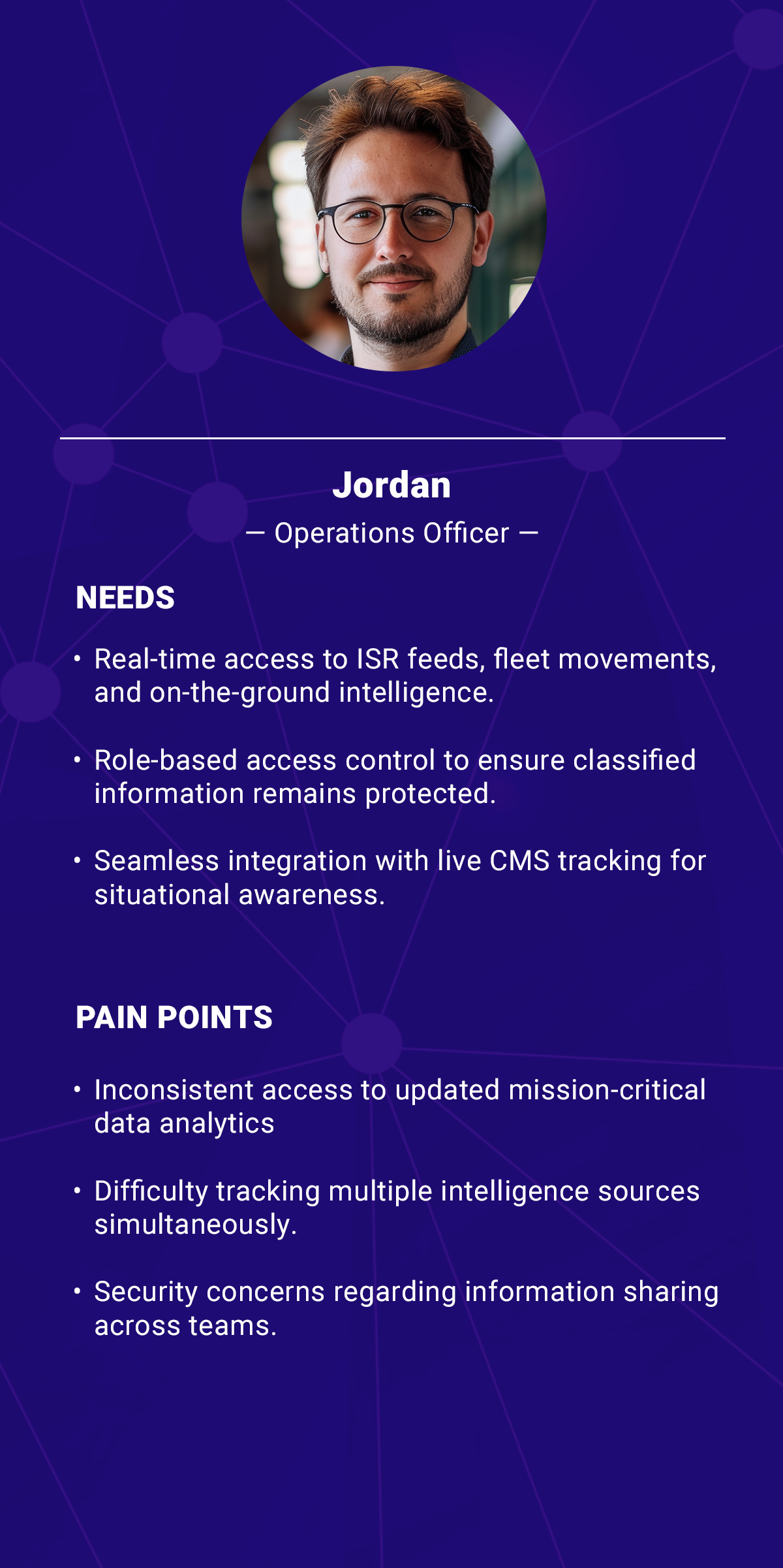
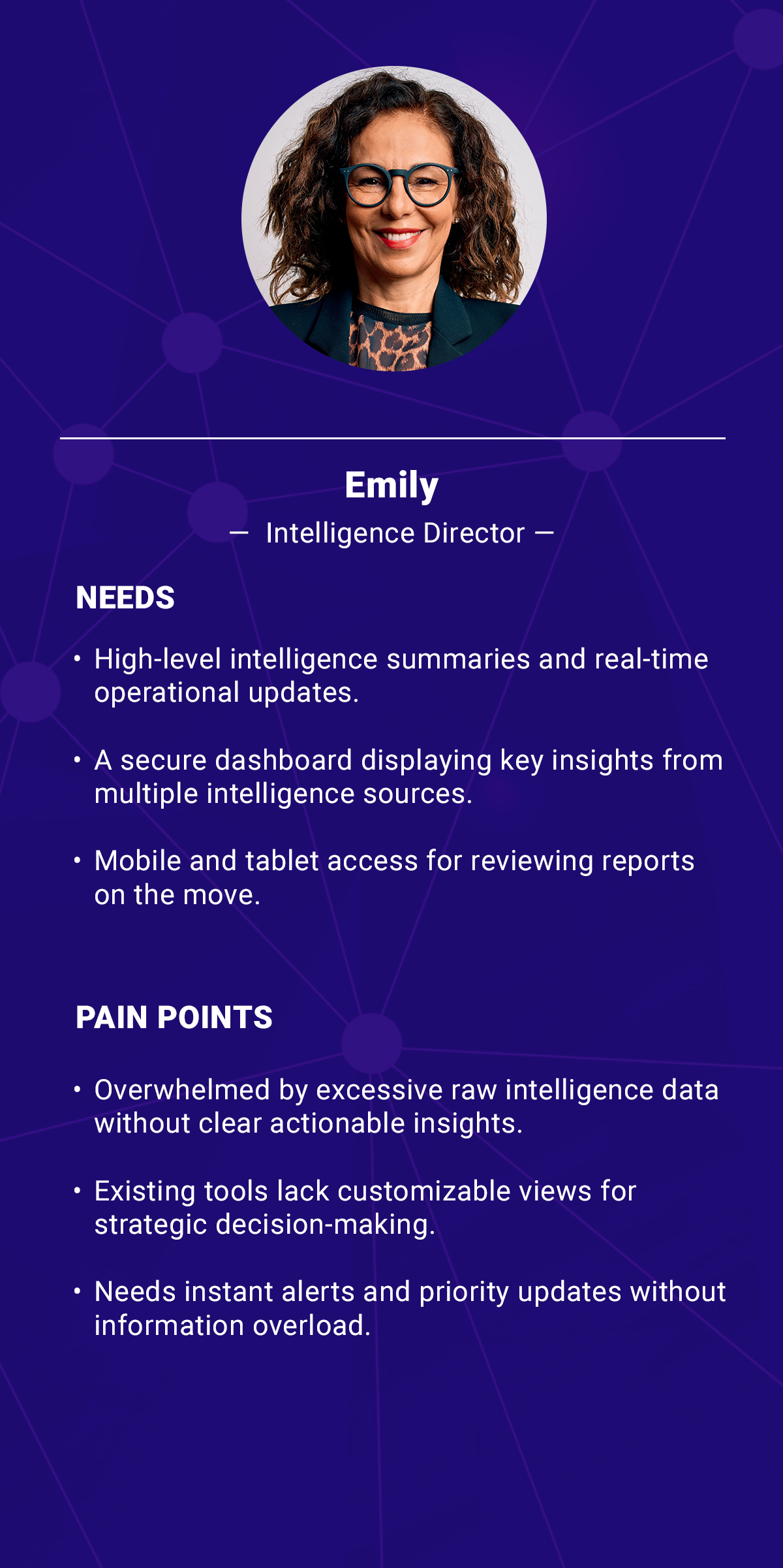
Since live users were not available for testing, personas were created to simulate realistic user needs and behaviors.
Design Process & UX Considerations
- Evaluated industry-standard COP solutions to understand best practices and gaps.
- Identified key pain points: poor usability, lack of real-time data fusion, and difficulty managing large-scale intelligence ingestion.
Wireframing & Prototyping
- Created low-fidelity wireframes focusing on data integration, visualization, and rapid retrieval of intelligence reports.
- Iterated designs based on heuristic evaluation and best practices for government and defense applications.
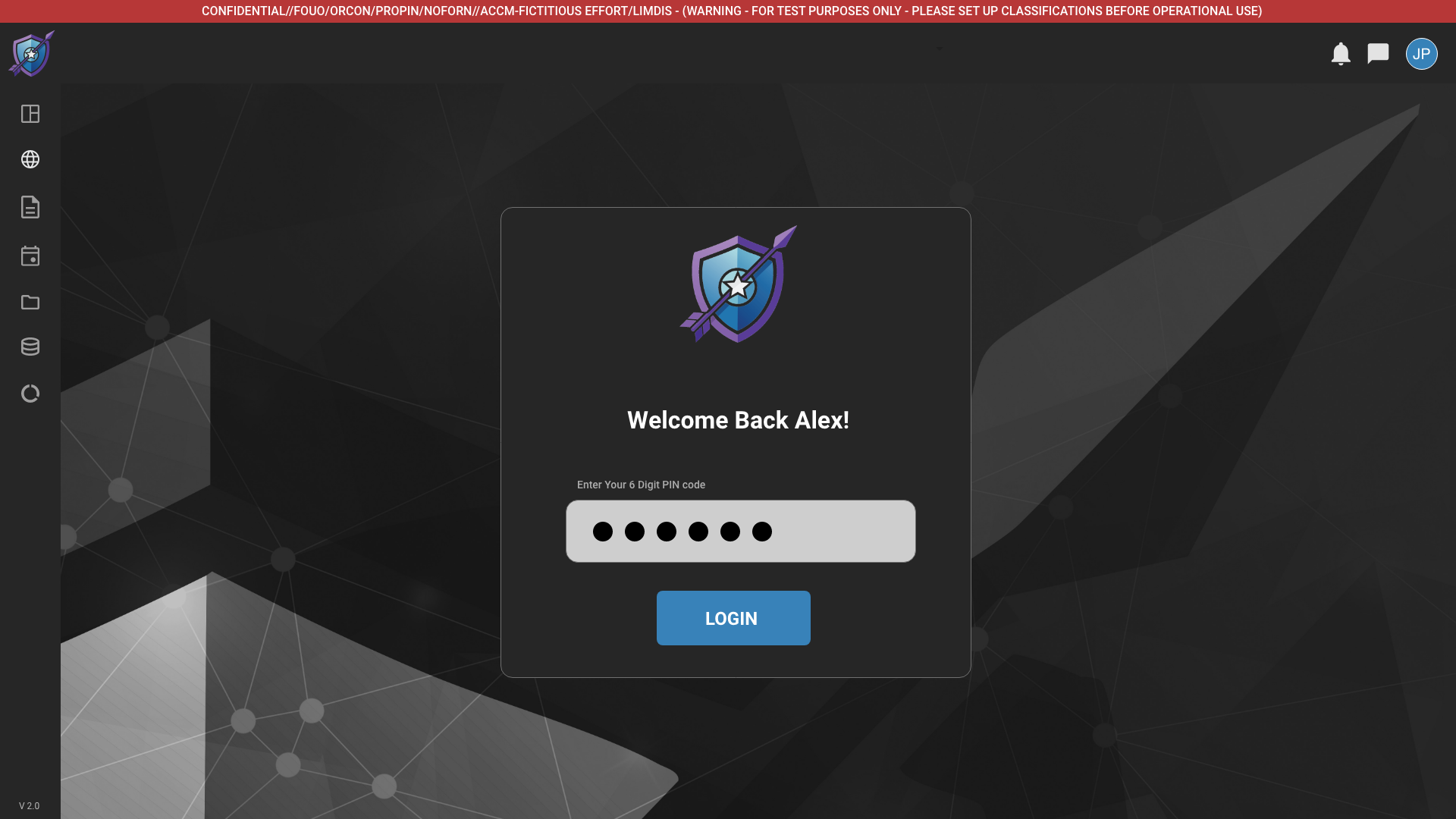
Security-Centric UI Design
-
Implemented role-based access controls to ensure secure document and data sharing.
-
Integrated a multi-layered encryption model for sensitive intelligence sources.
-
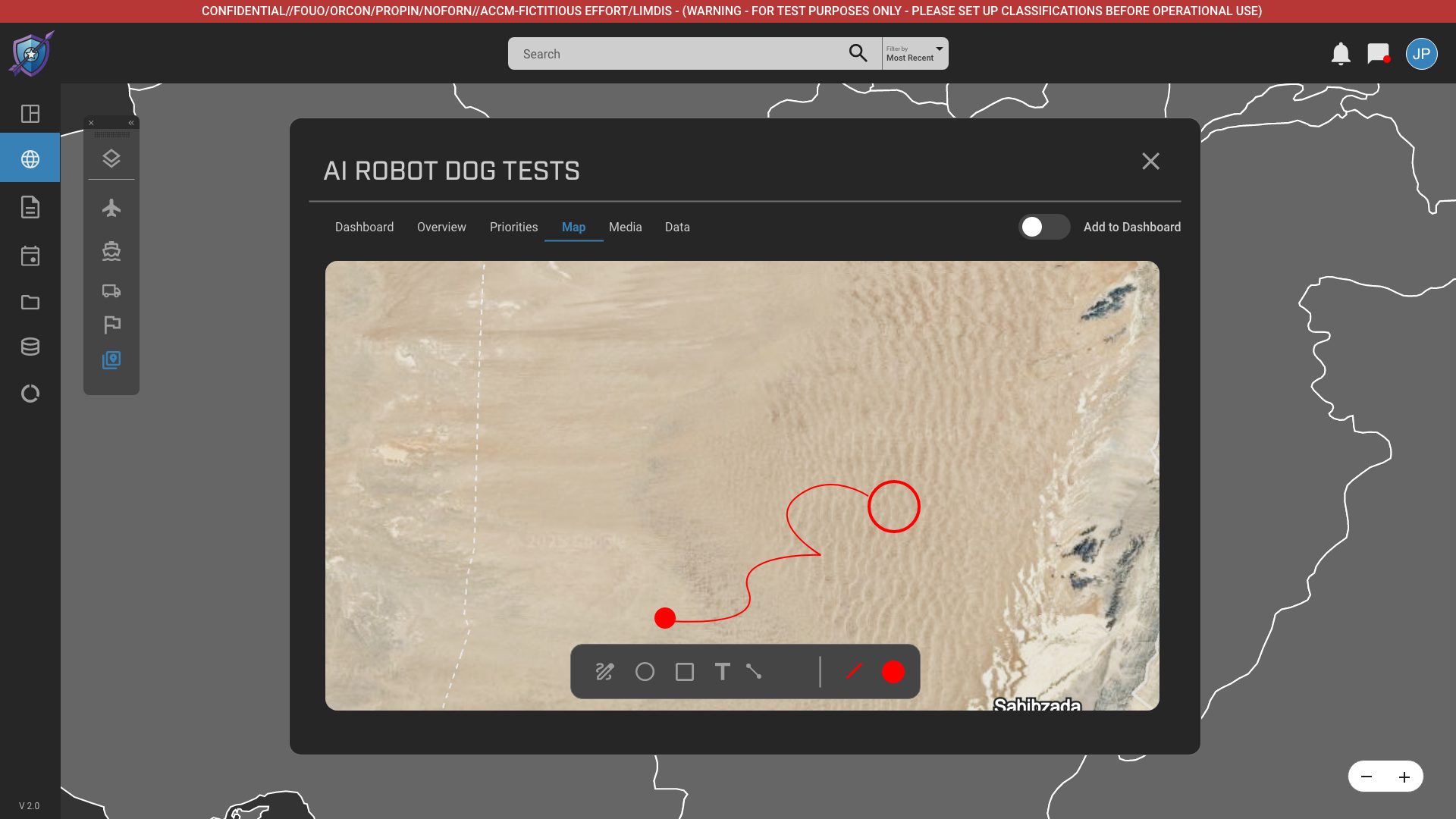
Designed a dashboard with real-time tracking of aircraft, ships, and land vehicles.
User Flow Simulation
-
Mapped out Alex’s journey from ingesting and tagging ISR footage to extracting actionable intelligence.
-
Simulated Jordan’s experience accessing mission-critical documents and tracking fleet movements in real-time.
-
Tested Emily’s workflow of reviewing high-level intelligence briefings and making rapid decisions.
Design System & UI Style Guide
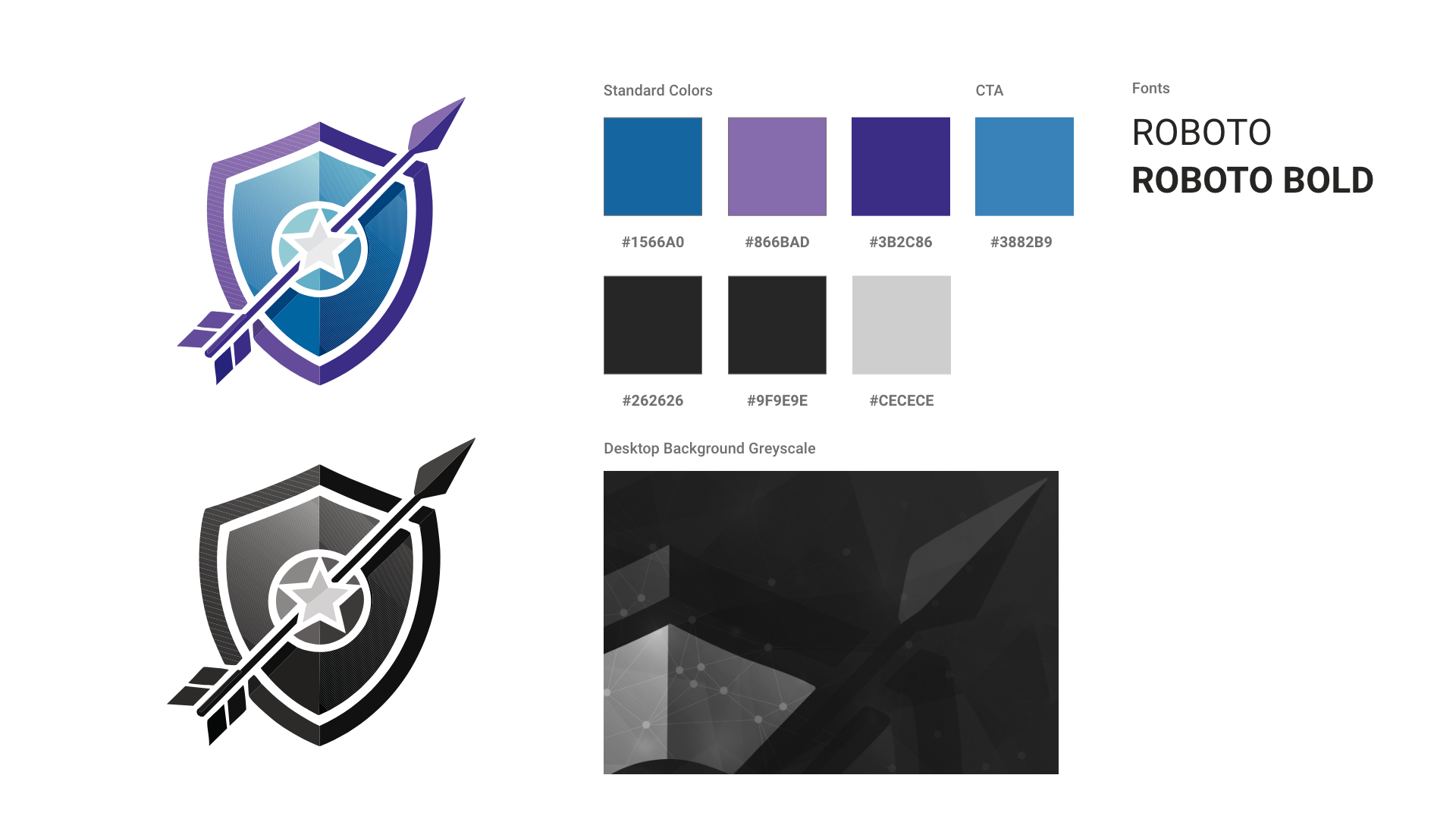
A consistent design system ensures usability, accessibility, and efficiency across the platform. The UI style guide includes color schemes, typography, and component design principles to maintain clarity and functionality in high-stakes environments.
Protoype
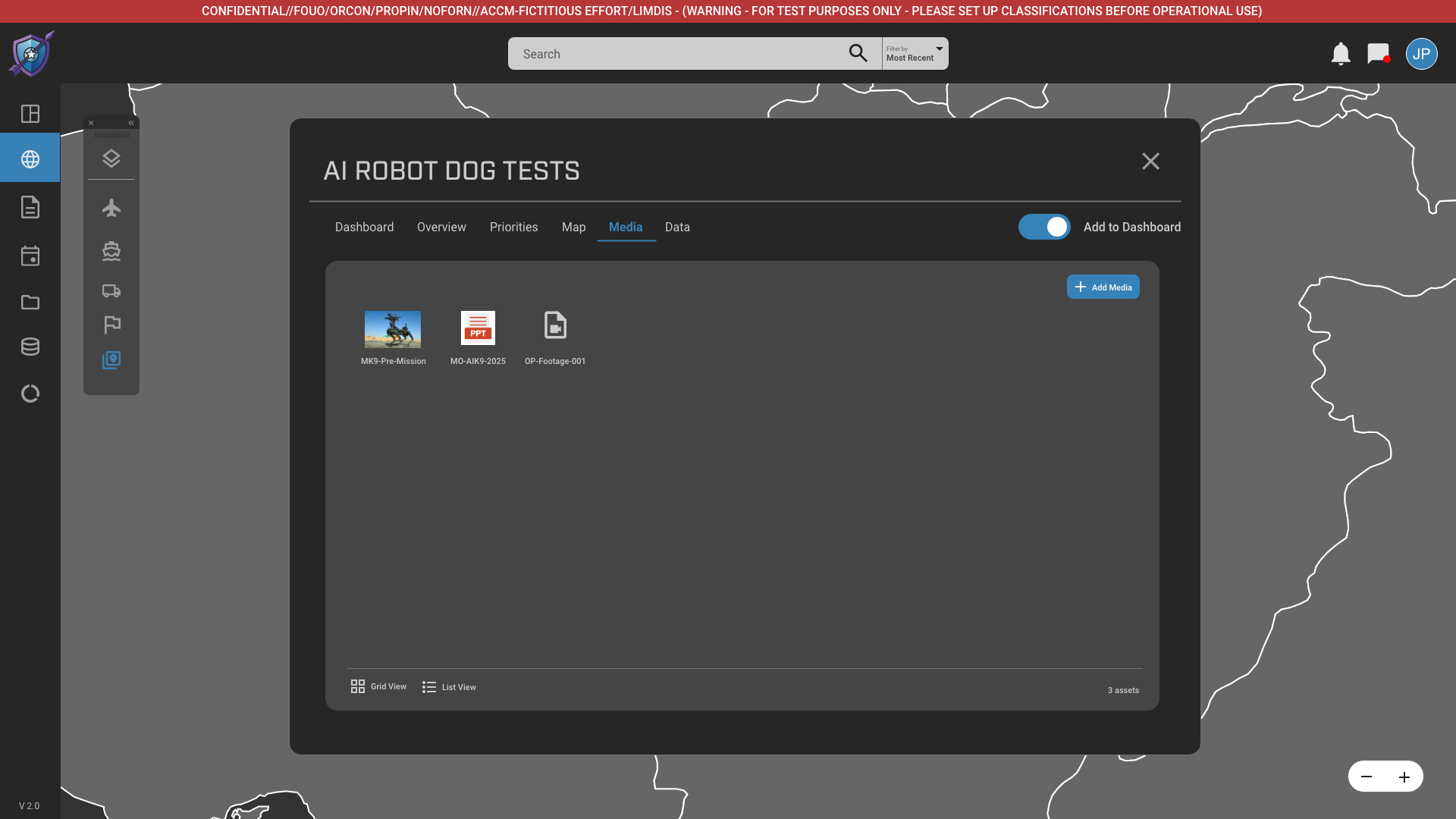
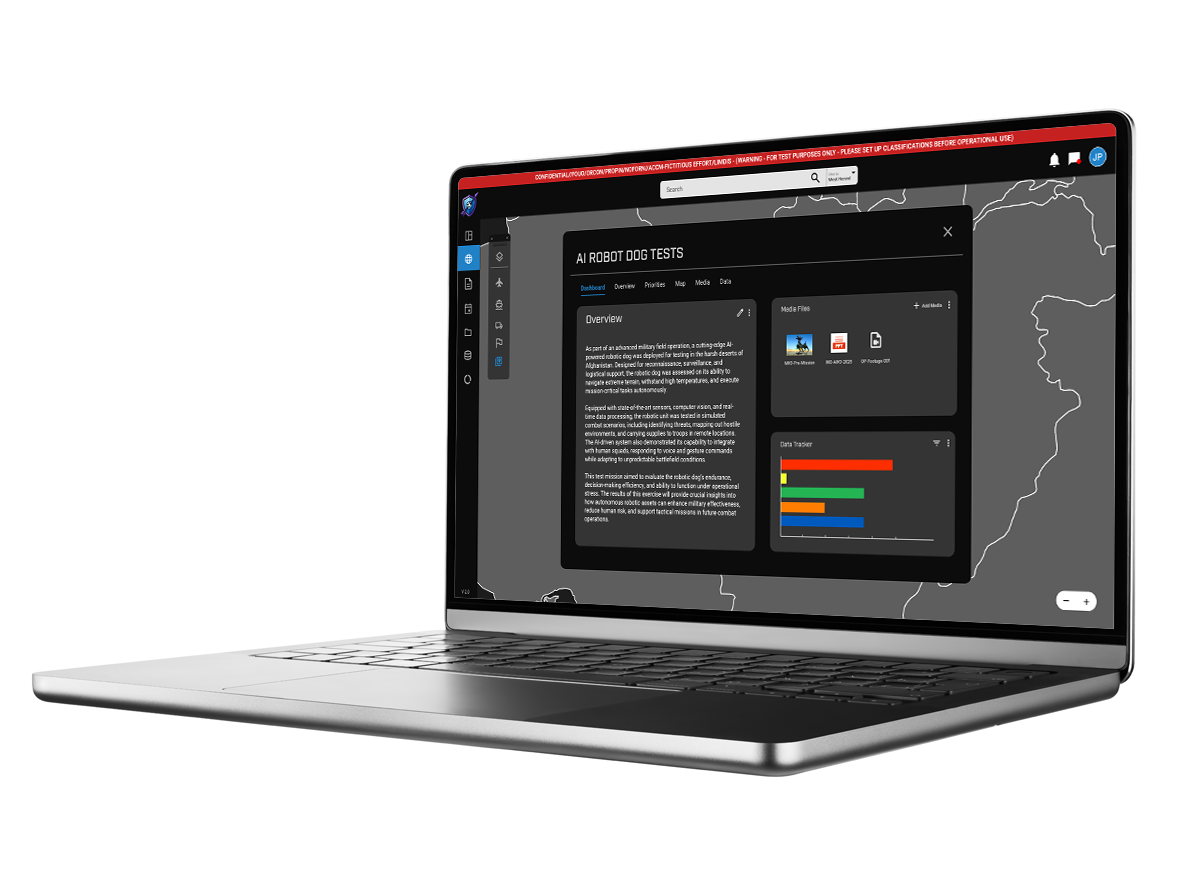
This prototype demonstrates real-world testing scenarios involving AI and robotics. Users can follow the steps in the prototype to experience how the EVO dossier functions.
Mission Overview: As part of an advanced military field operation, a cutting-edge AI-powered robotic dog was deployed for testing in the harsh deserts of Afghanistan. Designed for reconnaissance, surveillance, and logistical support, the robotic dog was evaluated on its ability to navigate extreme terrain, endure high temperatures, and autonomously execute mission-critical tasks.
PROTOTYPE COMING SOON!
Key Takeaways & Future Enhancements
-
The simulated personas and workflows allowed for a user-centered design approach despite the lack of live testing.
-
Future iterations will focus on advanced AI-powered data correlation, anomaly detection, and voice-enabled search capabilities.
-
A/B testing with real-world users can validate operational efficiency and usability improvements.
Conclusion
Defender EVO Dossier successfully balances data ingestion, security, and operational efficiency within a COP framework. By leveraging personas and simulated user flows, the design process remained grounded in practical use cases. Future enhancements will focus on improving real-time intelligence processing, AI-driven insights, and cross-platform accessibility.